The Climate Coalition calls on Arizona to pursue a just and equitable exit from fossil fuels
This summer could be the coolest of the rest of our lives,
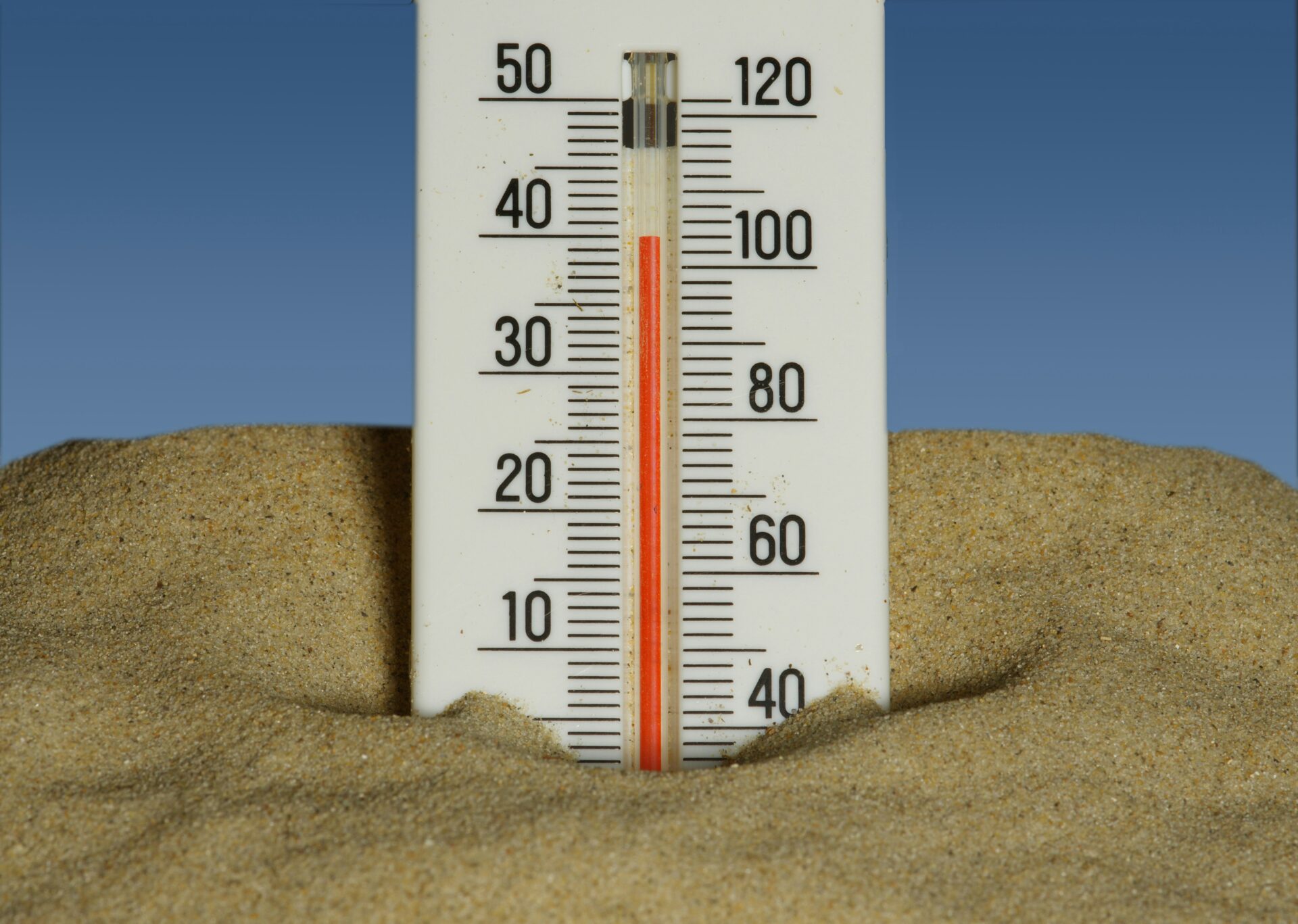
yet the Arizona and regional governments are completely disconnected from the climate crisis we are experiencing today. As yet another historic heatwave suffocates Belgium, it is urgent to put climate back at the top of the agenda and plan the exit from fossil fuels in order to prevent extreme climate events — such as this heatwave — from becoming longer, more intense, and more frequent.
Our elderly are suffocating, children are sitting their exams in ovens, and infrastructure and public services are being disrupted. Although all of this was foreseeable, the funding dedicated to greening our cities to cool them down is insufficient, and despite knowing that nature and trees are our allies, no funding for the national nature restoration plan has been allocated. Worse still, while cities are the hardest hit by the urban heat island effect, Brussels residents are no longer entitled to any grant or subsidy to insulate their homes. As for Walloon and Flemish residents, they have seen a reduction in the grants and subsidies available to them.
Adaptation measures are sorely lacking, as are mitigation measures — and this is no coincidence: this inaction is the result of political responsibility that our governments bear today.
Belgium, like other countries around the world, must urgently reduce its greenhouse gas emissions to guarantee a liveable world with dignified conditions for as many people as possible. Oil, gas, and coal are responsible for 75% of the greenhouse gases driving climate disruption. With the cause well known and the consequences already tangible, it is difficult to understand why Belgium has submitted no plan for exiting fossil fuels to limit the damage.
The current heatwave, just like the Strait of Hormuz crisis, demonstrates that our dependence on fossil fuels is a threat to our health, our security, and our prosperity. Yet, although Belgium has made international commitments to a just and equitable exit from gas, oil, and coal, no roadmap has been drawn up to plan it.
The best adaptation is the one we will not have to make. Adapting in a world at +1.5°C, +2°C, or +3°C represents a difference of billions of euros and countless lives lost. Such a plan must go hand in hand with a truly ambitious social climate plan to support households — first and foremost the most vulnerable — through this transition.
Such a plan must cover several areas of work for the federal government, where every minister has a role to play on climate — yet it is hard to see any unity within our governments on this issue. Offshore wind in the North Sea is still waiting for the Energy Minister to press the “start” button. Billions continue to flow toward fossil fuel subsidies, but the Finance Minister has launched no reform either to redirect them or to tax the profits of oil and gas companies. And the Economy Minister prefers to block any climate action rather than work on retraining workers whose jobs are destined to disappear.
Two provinces on red alert and all others on orange this Friday — these warning signals must serve as triggers for the Arizona and regional governments to make climate a central pillar of this legislative term. Denying the crisis we face is as contemptible as it is irresponsible.


